Nurturing Young Minds: Bio-Food Education for Orphans
Category : aitam |
Sub Category : aitam Posted on 2023-10-30 21:24:53
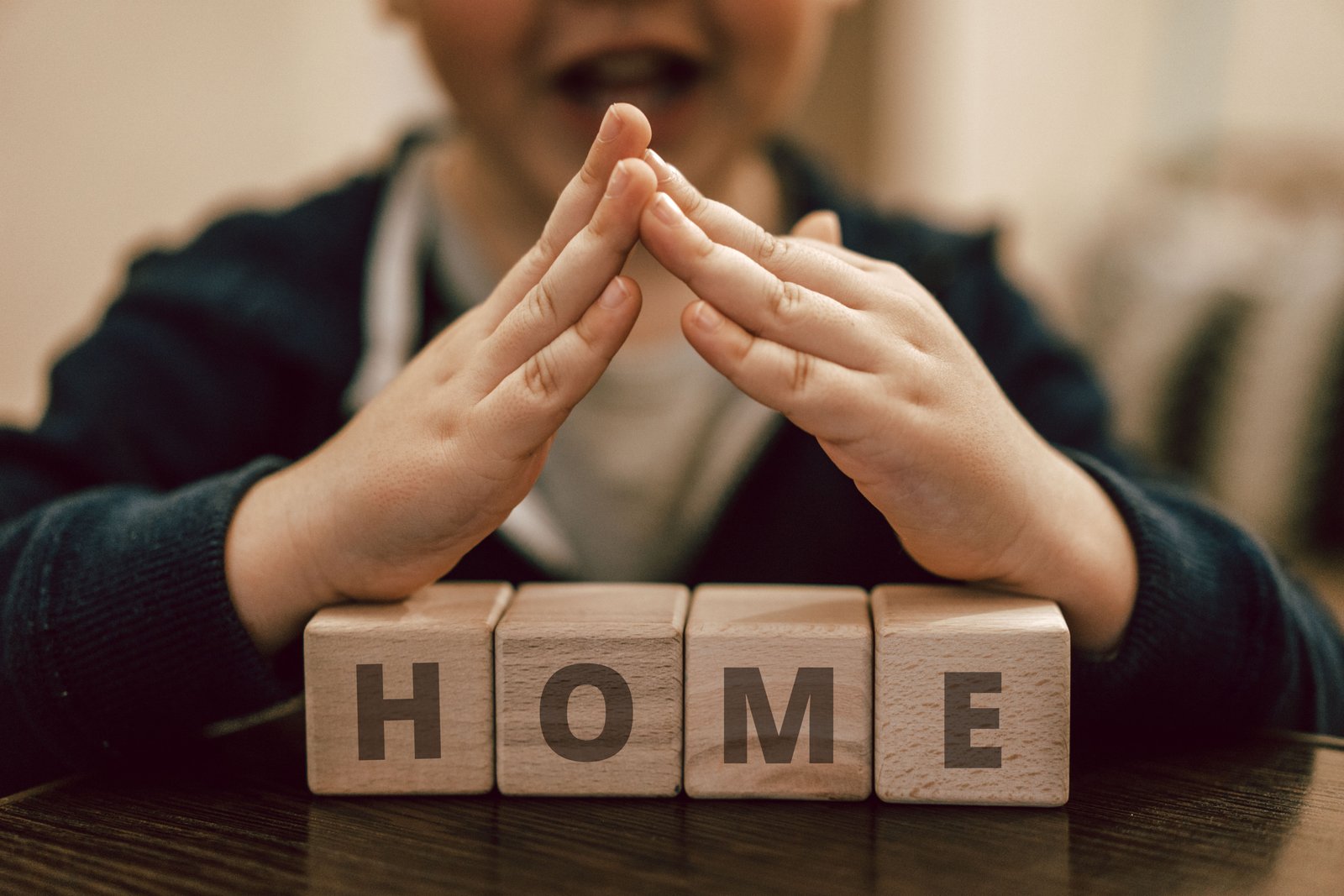
Introduction: Education plays a vital role in shaping the lives of children, enabling them to thrive and reach their full potential. For orphans, who often face difficult circumstances, access to proper education becomes even more crucial. But what if we could take this a step further, by not only providing education but also equipping these children with the knowledge and skills to make informed choices about their nutrition and wellbeing? This is where bio-food education for orphans comes into play. Understanding bio-food education: Bio-food education is an interdisciplinary approach that integrates biology, nutrition, and sustainable farming practices. It empowers individuals to make healthier and more sustainable choices when it comes to food consumption. By teaching orphans about the benefits of organic farming, nutrition, and food preparation, we can equip them with lifelong skills and knowledge that will positively impact their health and overall well-being. Why focus on bio-food education for orphans: 1. Holistic Development: Orphans often come from vulnerable backgrounds with limited access to nutritious food. Bio-food education promotes a holistic approach, focusing on the physical, mental, and emotional well-being of these children, ensuring they receive the nutrition their growing bodies require. 2. Empowerment: By educating orphans about sustainable farming practices and organic food production, they gain a sense of empowerment and self-sufficiency. This knowledge allows them to nourish themselves and potentially even become advocates for sustainable living in their communities. 3. Health Benefits: Bio-food education can lead to improved health outcomes for orphans by instilling healthy eating habits from a young age. They learn to appreciate the nutritional value of fresh, organic produce and the long-term benefits it has for their physical and mental well-being. Implementing bio-food education programs: 1. Collaborations: NGOs, educational institutions, and local farmers can collaborate to establish bio-food education programs tailored specifically for orphans. This collaboration ensures access to funding, expertise, and resources needed to implement comprehensive programs. 2. Practical Learning: Incorporating practical learning experiences engages orphans directly in the process of growing and cultivating food. Hands-on experiences such as establishing school gardens, teaching organic farming techniques, and involving children in cooking and meal planning can reinforce the importance of bio-food education. 3. Community Support: Building partnerships with local communities can provide orphans with ongoing support and mentorship. By involving community members in the education process, we can create a sustainable ecosystem where children receive continuous guidance, encouragement, and access to nutritious food. Benefits of bio-food education for orphans: 1. Improved health and nutrition: Orphans who receive bio-food education are likely to make healthier food choices, leading to improved overall health and reduced risk of diet-related diseases. 2. Enhanced cognitive development: Proper nutrition has a direct impact on cognitive development. By incorporating nutrient-rich foods and bio-food education, orphans can experience enhanced brain function, improved memory, and concentration. 3. Environmental stewardship: Bio-food education promotes sustainable farming practices, creating a sense of environmental stewardship among orphans. By teaching them the importance of organic farming and its impact on the environment, we foster a generation that values and respects nature. Conclusion: Bio-food education for orphans is a powerful tool that goes beyond traditional education. By integrating biology, nutrition, and sustainable farming practices, we can empower orphans to make healthier choices for their bodies, minds, and the environment. Collaborations, practical learning opportunities, and community support are key to implementing successful bio-food education programs. Together, let us nurture the minds and bodies of these children, equipping them with the knowledge and skills to create a healthier and more sustainable future for themselves and their communities. To get a better understanding, go through http://www.deleci.com More about this subject in http://www.eatnaturals.com You can find more about this subject in http://www.biofitnesslab.com Looking for more information? Check out http://www.mimidate.com


