Nurturing Comfort and Efficiency: L-shaped Kitchens for Orphan Homes
Category : aitam |
Sub Category : aitam Posted on 2023-10-30 21:24:53
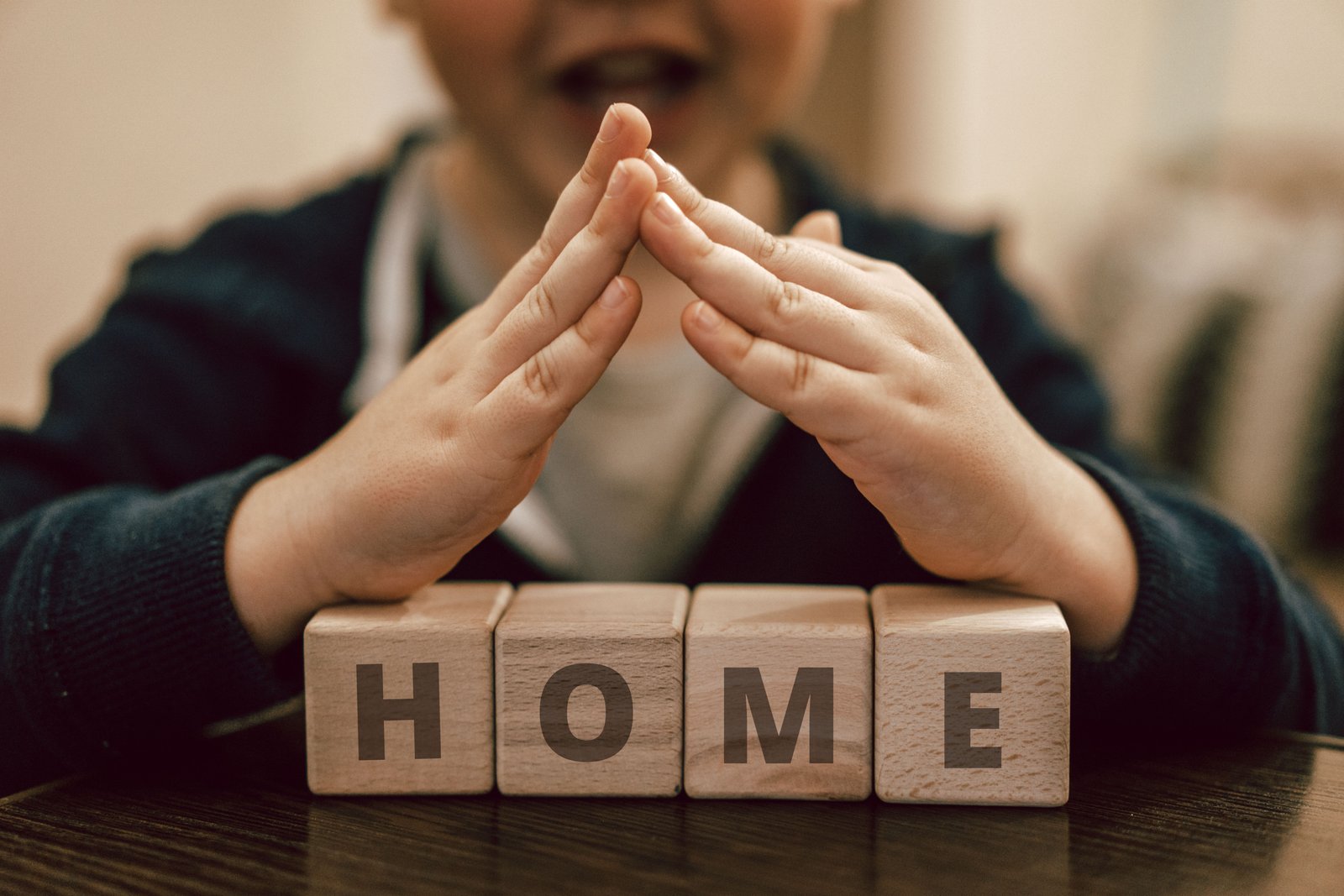
Introduction: Orphanages play a significant role in providing a safe and nurturing environment for children in need. Creating a well-designed and functional space for these homes is crucial, especially in areas such as the kitchen, where meals are prepared with love and shared among the family. In this blog post, we will explore how L-shaped kitchens can enhance the dynamics of orphan homes, promoting efficiency, accessibility, and a sense of togetherness. 1. Maximizing Space Efficiency: L-shaped kitchens are renowned for their ability to utilize the available space effectively. Orphan homes often need to accommodate a larger number of individuals, and having an efficient layout can make a significant difference. The L-shaped design provides ample counter space, storage options, and efficient work triangles, allowing caretakers to navigate easily and prepare meals efficiently. 2. Enhanced Interaction and Bonding: In an orphan home, the kitchen not only serves as a space for meal preparation but also a communal area for gathering, conversations, and shared experiences. The L-shaped kitchen design facilitates an open and inclusive atmosphere where everyone can participate, fostering a sense of belonging and togetherness. Whether it's children helping out with simple tasks or the caretakers guiding and nurturing, L-shaped kitchens encourage interaction and bonding among the members of the orphan home. 3. Improved Safety and Supervision: Safety is a priority when it comes to designing spaces for children. L-shaped kitchen layouts offer better supervision as caretakers can easily keep an eye on the children while attending to their cooking responsibilities. This layout allows for clear sightlines, reducing potential accidents or mishaps. Additionally, by strategically placing high traffic appliances and sharp objects out of reach, the risk of accidents can be further minimized. 4. Accessibility and Inclusivity: Incorporating accessible design elements is essential for orphan homes, as they may serve children with varying physical abilities. L-shaped kitchens inherently provide better accessibility, as they allow for smoother flow of movement and make it easier for individuals with mobility challenges to navigate the space. This design permits wheelchair users or those with limited mobility to move freely, promoting inclusivity and independence. 5. Customization to Meet Specific Needs: Every orphan home has unique requirements, and L-shaped kitchens offer versatility when it comes to adapting the layout to specific needs. From incorporating height-adjustable countertops for wheelchair accessibility to installing child-friendly appliances and appropriate storage solutions, L-shaped kitchens can be tailored to meet the unique needs of the orphan home and its members. Conclusion: Creating a well-designed kitchen in an orphan home is vital for fostering an environment of comfort, efficiency, and inclusivity. The L-shaped kitchen design offers several advantages, including space efficiency, enhanced interaction, improved safety, and better accessibility. By embracing these design principles, orphan homes can nurture the physical and emotional well-being of the children under their care, facilitating a sense of belonging and providing an environment where they can thrive. Dropy by for a visit at http://www.bkitchens.com


